
Nigeria’s economy continues to evolve, driven by innovation, youth entrepreneurship, and digital transformation. Among its bustling cities, two stand tall as economic powerhouses, Lagos and Abuja.
As 2025 is wrapping up, aspiring entrepreneurs, investors, and startups are asking one key question: Which city offers better business opportunities: Lagos or Abuja?
This in-depth comparison explores both cities’ economic climates, infrastructure, investment prospects, living costs, and growth opportunities to help you decide where to build or expand your business.
Overview: Lagos and Abuja as Business Hubs
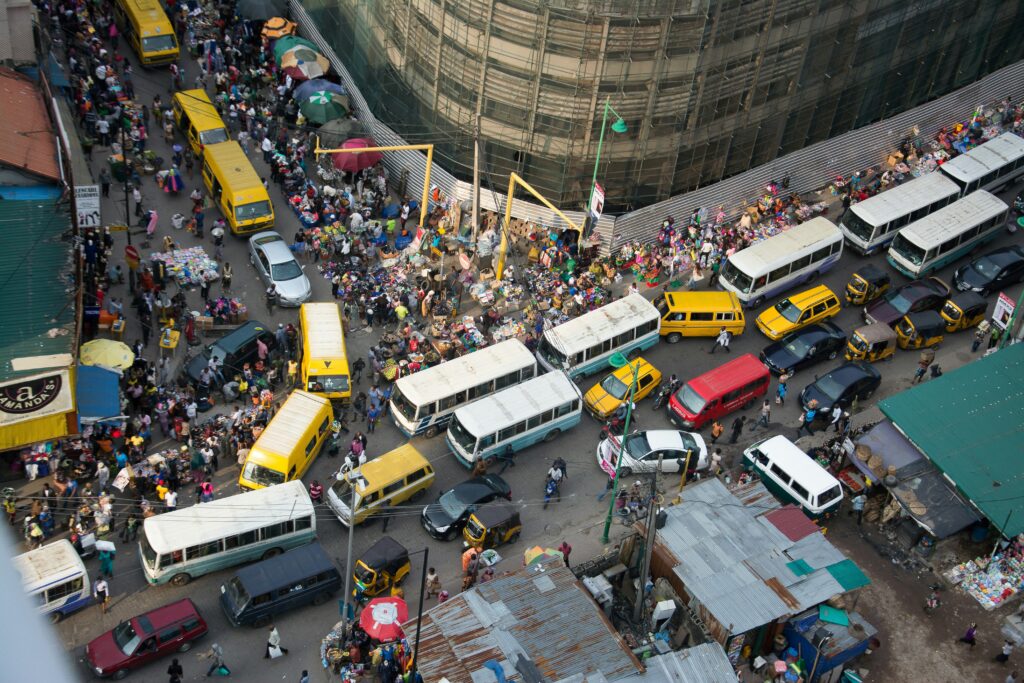
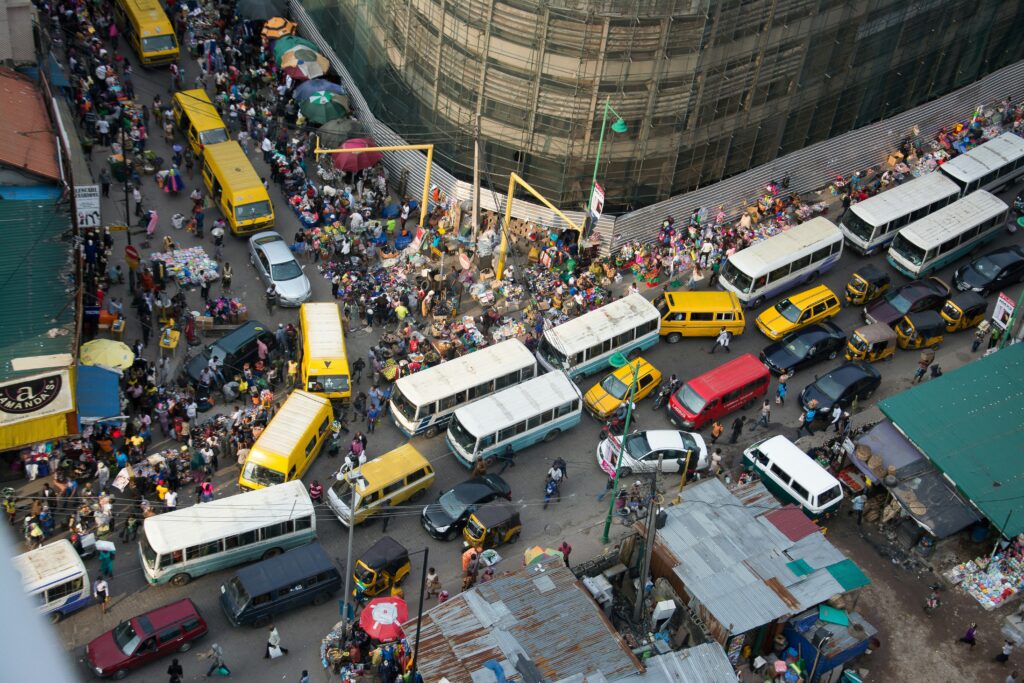
Lagos, often called the commercial heartbeat of Nigeria, is home to over 20 million residents and contributes more than 30% of Nigeria’s GDP. It’s a melting pot of industries: finance, tech, logistics, entertainment, and trade.
Abuja, Nigeria’s capital city, on the other hand, represents the administrative and political centre. It is known for better urban planning, infrastructure, and security. The city has become increasingly attractive to startups and SMEs, especially in the service and real estate sectors.
Both cities play critical roles in Nigeria’s economy, but they appeal to different types of investors and entrepreneurs.
Business Environment in Lagos (2025 Outlook)
Lagos remains the economic powerhouse of West Africa. In 2025, it continues to attract foreign direct investment (FDI) and venture capital into sectors like fintech, logistics, e-commerce, and creative industries.
Key Advantages of Doing Business in Lagos
- Access to Markets:
Lagos hosts Nigeria’s busiest ports (Apapa and Tin Can Island) and serves as the gateway to the entire West African market. - Strong Financial Ecosystem:
Home to major banks, insurance firms, and fintech startups such as Flutterwave, Paystack, and Moniepoint. - Tech Innovation:
The “Yabacon Valley” tech cluster positions Lagos as Africa’s leading tech hub. - Consumer Power:
With millions of residents, Lagos offers one of Africa’s largest consumer markets. - Global Connectivity:
Murtala Muhammed International Airport provides direct access to global markets, making it easier for business travel and trade.
Challenges in Lagos
- High cost of living and rent.
- Traffic congestion impacting productivity.
- Infrastructure deficits in power and waste management.
- Competitive market saturation, especially for SMEs.
Despite these challenges, Lagos remains the most vibrant city for scaling fast-moving consumer goods (FMCG), fintech, media, and logistics businesses.
Business Environment in Abuja (2025 Outlook)
Abuja’s business climate has been evolving rapidly. Once known primarily for government activities, it now attracts private sector investments in real estate, education, hospitality, and services.
Key Advantages of Doing Business in Abuja
- Strategic Location:
Centrally located, Abuja provides access to all parts of Nigeria. - Infrastructure:
Better road networks, stable electricity in many districts, and planned layouts. - Government Presence:
Easy access to decision-makers, government contracts, and regulatory bodies. - Peaceful and Secure:
Generally safer and less congested compared to Lagos. - Growing Affluent Population:
High-income residents create demand for quality services, healthcare, and luxury products.
Challenges in Abuja
- Smaller consumer base compared to Lagos.
- Limited access to ports and export routes.
- Fewer startup incubators and venture capital presence.
- Government dependence — private-sector diversity is still developing.
However, for investors targeting stable infrastructure, real estate, or B2G (business-to-government) services, Abuja presents a lucrative opportunity.
Comparing Lagos and Abuja by Key Business Factors
| Business Factor | Lagos | Abuja |
|---|---|---|
| Market Size | Large and diverse | Smaller but growing |
| Cost of Living | High | Moderate |
| Infrastructure | Improving but strained | Better planned |
| Access to Finance | High (banks, VCs, fintech) | Moderate |
| Government Contracts | Limited access | Easier access |
| Startup Ecosystem | Advanced | Emerging |
| Security | Challenging in some areas | Generally safer |
| Talent Availability | Abundant | Increasing steadily |
| Ease of Doing Business | Competitive, dynamic | Less competitive, structured |
| Ideal For | Tech, trade, logistics, FMCG | Real estate, education, services, consulting |
Industry-Specific Opportunities in Lagos
In 2025, Lagos continues to dominate in industries that thrive on scale and technology:
a. Fintech and Digital Payments
Nigeria’s fintech boom is led by Lagos-based startups. With increased mobile penetration, digital payments, online banking, and cryptocurrency regulation improvements, fintech remains a high-CPC niche.
b. Logistics and E-Commerce
Platforms like Jumia, GIG Logistics, and ShapShap are thriving. The growing demand for doorstep delivery creates opportunities in supply chain management, warehousing, and last-mile delivery.
c. Entertainment and Media
The Nollywood and music industries contribute billions to GDP. Businesses in content production, PR, and influencer marketing are flourishing.
d. Real Estate and Construction
Urban expansion drives demand for housing, office spaces, and co-working hubs, especially in Lekki and Ibeju areas.
Industry-Specific Opportunities in Abuja
Abuja offers stability and structure, appealing to entrepreneurs looking for sustainable, medium-term growth.
a. Real Estate and Property Development
The demand for luxury homes, estates, and serviced apartments continues to rise in districts like Gwarinpa and Guzape.
b. Education and EdTech
Abuja’s population of professionals and government workers fuels demand for quality schools, training centres, and online learning platforms.
c. Hospitality and Tourism
The influx of business travellers and conferences has created room for boutique hotels, restaurants, and event spaces.
d. Consulting and Professional Services
With ministries, NGOs, and international agencies headquartered in Abuja, business consulting, legal, and policy advisory services are in high demand.
Living Conditions and Lifestyle
Lagos: Fast-paced, vibrant nightlife, global exposure, and endless networking opportunities, but hectic and expensive.
Abuja: Calm, organized, better infrastructure, but smaller business scene and slower lifestyle.
Your choice depends on whether you prefer speed and competition (Lagos) or stability and structure (Abuja).
Which City is Better for Startups in 2025?
If your business depends on volume, innovation, and quick traction, Lagos is unmatched.
But if your business relies on contracts, professional services, or stable demand, Abuja gives a steadier environment with lower overheads.
Verdict:
- Startups & Tech: Lagos
- Real Estate, Consulting & Government-related: Abuja
- Creative & Media: Lagos
- Education & Hospitality: Abuja
Expert Insight: Hybrid Business Strategy
In 2025, many Nigerian entrepreneurs are adopting a hybrid model — registering headquarters in Abuja (for credibility and government proximity) while maintaining operational branches or markets in Lagos for access to customers.
This dual presence offers the best of both worlds — Lagos’ energy and Abuja’s stability.
Conclusion
Both Lagos and Abuja hold massive potential in 2025. The better city for business depends on your industry, risk tolerance, and target audience.
- Choose Lagos if you want scale, innovation, and global connectivity.
- Choose Abuja if you value structure, stability, and access to government networks.
In truth, the future of Nigerian business lies not in competition between both cities — but in collaboration. Entrepreneurs who leverage Lagos’ market size and Abuja’s infrastructure will dominate Nigeria’s business landscape in the years ahead.